
What Makes the Best Air Conditioner in Qatar Different from Standard AC Units?
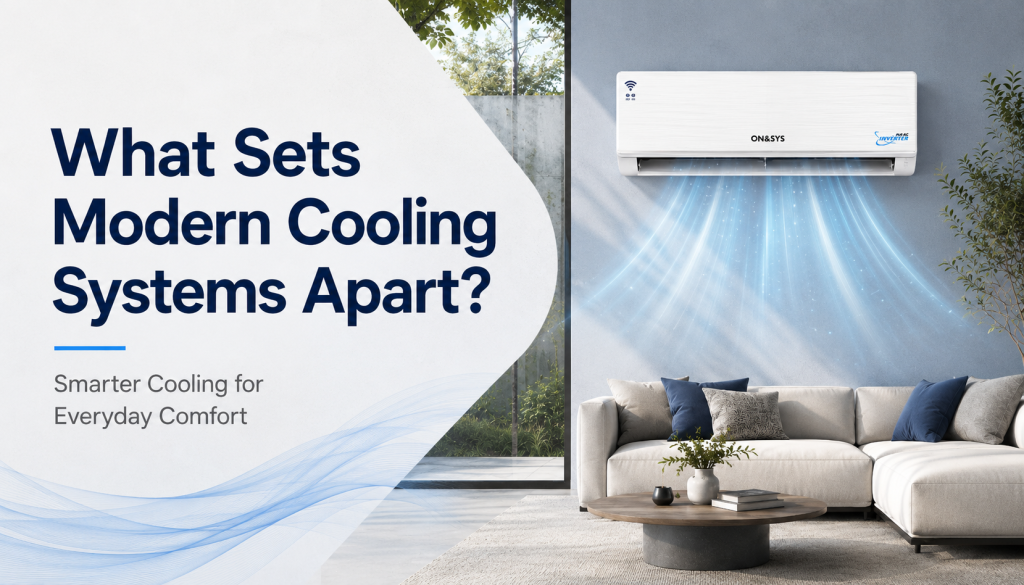
Air conditioning plays an essential role in everyday life across Qatar. With high temperatures lasting for much of the year, homes, offices, retail stores, and commercial buildings rely heavily on cooling systems to maintain comfortable indoor environments. As cooling requirements continue to grow, many property owners find themselves asking an important question: what actually makes the best air conditioner in Qatar different from a standard AC unit?
At first glance, most air conditioners seem to serve the same purpose. They cool indoor spaces and help create a more comfortable environment. However, the technology behind modern air conditioning systems has evolved significantly over the years. Differences in energy efficiency, compressor technology, cooling consistency, air quality management, and operating costs can have a major impact on both comfort and long-term expenses.
Understanding these differences can help homeowners and businesses make informed decisions when selecting a cooling solution that suits Qatar’s climate and their specific requirements.
Why Air Conditioner Performance Matters in Qatar
Qatar experiences long periods of hot weather, with temperatures frequently rising above 40°C during the summer months. Unlike countries where air conditioning is only needed seasonally, cooling systems in Qatar often operate for extended hours throughout the year.
This places considerable demands on air conditioning equipment. A system that performs well in a moderate climate may not deliver the same results when exposed to prolonged heat and continuous usage.
As a result, factors such as energy efficiency, durability, and cooling performance become particularly important. When searching for the best air conditioner in Qatar, many consumers are looking for a system that can provide reliable comfort while keeping energy consumption under control.
Traditional AC vs Modern Inverter AC: Understanding the Difference
One of the most significant developments in air conditioning technology is the introduction of inverter systems. Before exploring the benefits, it helps to understand how modern inverter air conditioners differ from conventional units.
| Feature | Traditional AC | Modern Inverter AC |
|---|---|---|
|
Compressor Operation |
Fixed Speed |
Variable Speed |
|
Energy Consumption |
Higher |
Lower |
|
Temperature Stability |
Moderate |
More Consistent |
|
Noise Levels |
Higher
|
Lower |
|
Operating Cost |
Higher Over Time |
Lower Over Time |
|
Suitability for Long Operating Hours |
Moderate |
Better |
Traditional air conditioners use fixed-speed compressors that operate at full power whenever cooling is required. Once the desired temperature is reached, the compressor switches off completely. When temperatures rise again, it restarts at full capacity.
Modern inverter air conditioners work differently. Rather than constantly switching on and off, they adjust compressor speed based on cooling demand. This helps maintain a more stable indoor temperature while using energy more efficiently.
Why Inverter Technology Has Become So Popular
In recent years, demand for the best Inverter Air Conditioner in Qatar has increased significantly. This is largely due to the growing focus on energy efficiency and long-term cost savings.
Inverter technology allows an air conditioner to operate more intelligently. Once the desired temperature is achieved, the compressor slows down rather than shutting off completely. This reduces energy consumption while maintaining comfort.
For households and businesses looking for a low power consuming AC, inverter systems offer several advantages:
- More efficient energy use
- Consistent indoor temperatures
- Reduced compressor wear
- Quieter operation
- Better performance during extended usage
Since air conditioners in Qatar often operate for many hours each day, these benefits can make a noticeable difference over time.
The Role of Energy Efficiency in Cooling Costs
Energy consumption is one of the biggest concerns for air conditioner owners in Qatar. Cooling systems account for a significant portion of electricity usage, especially during the hottest months of the year.
Many consumers focus primarily on the purchase price of an air conditioner. However, operating costs often have a much greater financial impact over the lifespan of the unit.
A more energy-efficient air conditioner may cost slightly more initially, but it can help reduce electricity bills over the long term. This is one reason why many buyers compare energy ratings and inverter technologies when evaluating different options.
When searching for the best air conditioner in Qatar, energy efficiency is often one of the most important factors to consider.
Consistent Cooling Improves Everyday Comfort
Comfort is about more than simply lowering the temperature.
Traditional air conditioners can sometimes create noticeable fluctuations in indoor conditions. As the compressor switches on and off, room temperatures may rise and fall throughout the day.
Modern air conditioning systems are designed to provide more consistent cooling. By adjusting their output according to changing room conditions, they help maintain a stable environment without dramatic temperature swings.
This can be particularly beneficial in homes, offices, and commercial spaces where occupants spend long periods indoors.
In a climate like Qatar’s, maintaining a comfortable indoor temperature is often just as important as achieving it in the first place.
Indoor Air Quality Is Becoming More Important
Air conditioners today do more than cool the air. Many modern systems also include filtration technologies that help improve indoor air quality.
Dust, allergens, and airborne particles can affect comfort levels indoors. Effective filtration helps reduce these contaminants and contributes to a cleaner indoor environment.
This feature has become increasingly important in residential and commercial settings where indoor comfort is closely linked to occupant wellbeing.
Whether installed in a home, office, retail store, or hospitality environment, modern cooling systems often provide benefits that extend beyond temperature control alone.
Finding an Affordable Split AC in Qatar
Many consumers assume that advanced cooling technology always comes with a high price tag. While premium systems are available, there are also many options that balance affordability with performance.
An affordable split AC Qatar solution can provide efficient cooling without requiring a substantial investment. The key is to evaluate value rather than focusing solely on the initial purchase price.
Factors worth considering include:
- Energy efficiency
- Warranty coverage
- Maintenance requirements
- Cooling capacity
- Long-term operating costs
By taking a broader view of ownership costs, buyers can often identify solutions that provide better value over time.
Residential and Commercial Air Conditioning Systems in Qatar
Cooling requirements vary considerably depending on the type of property.
A small apartment has different needs than a large office building or retail facility. This is why residential and commercial air conditioning systems in Qatar are available in a wide range of configurations.
Residential systems are often designed with comfort, quiet operation, and energy efficiency in mind. Commercial systems may prioritize scalability, reliability, and the ability to cool larger spaces effectively.
Selecting the right system depends on factors such as:
- Property size
- Occupancy levels
- Operating hours
- Building layout
- Cooling demand
Understanding these requirements can help ensure the chosen system delivers the desired balance of comfort and efficiency.
Smart Features Are Changing User Expectations
Modern air conditioning systems increasingly include smart features that improve convenience and control.
These may include:
- Mobile app integration
- Remote operation
- Programmable schedules
- Energy monitoring
- Smart temperature management
While these features are not essential for every user, they can help improve efficiency and make day-to-day operation more convenient.
As smart home and smart building technologies continue to evolve, these capabilities are becoming more common across a wide range of air conditioning products.
💡 Looking Beyond the Purchase Price
The upfront cost of an air conditioner is only one part of the equation. Factors such as energy efficiency, daily usage patterns, and maintenance requirements can influence the total cost of ownership over time.
When comparing cooling systems, it is easy to focus solely on the upfront cost. However, a more useful approach is to consider the total cost of ownership.
A less expensive unit may have:
- Higher electricity consumption
- More frequent maintenance needs
- Reduced lifespan
- Lower efficiency
By contrast, a more efficient system may help offset its initial cost through lower operating expenses over time.
This is particularly relevant in Qatar, where cooling systems are used extensively throughout the year.
Conclusion
The differences between traditional and modern air conditioning systems go far beyond cooling capacity alone. Factors such as energy efficiency, inverter technology, temperature stability, air quality, and operating costs all play a role in overall performance.
For anyone researching the best air conditioner in Qatar, understanding these factors can help make the selection process easier and more informed. Whether the goal is finding a low power consuming AC, evaluating the best Inverter Air Conditioner in Qatar, or comparing residential and commercial air conditioning systems in Qatar, focusing on long-term performance and efficiency can lead to better results than considering purchase price alone.
As cooling technology continues to evolve, consumers have more options than ever to find solutions that match their comfort needs, usage patterns, and budgets.
Frequently Asked Questions
Key considerations include energy efficiency, cooling capacity, inverter technology, warranty coverage, and suitability for the local climate.
For many users, inverter technology can provide lower energy consumption and more consistent cooling, making it a practical long-term investment.
A low power consuming AC is designed to use energy efficiently while maintaining effective cooling performance.
Yes. Many modern split air conditioners combine inverter technology with competitive pricing, offering a balance of affordability and efficiency.
Yes. Residential systems typically focus on comfort and energy efficiency, while commercial systems are often designed for larger spaces and continuous operation.